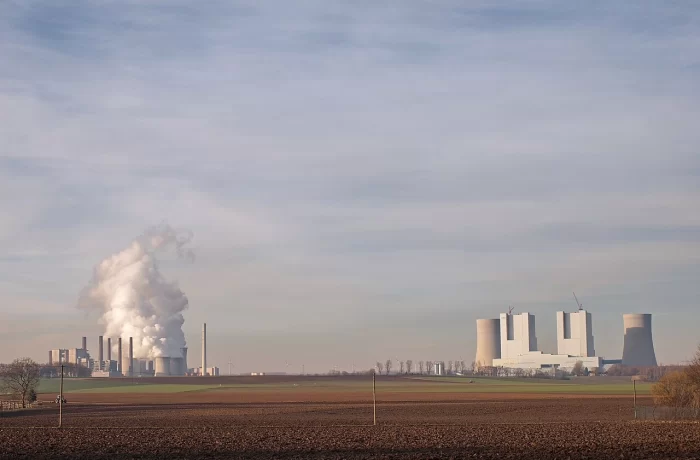
Grevenbroich, Germany
Neurath Power Station
Gap compensation on structural and equipment steel connections at one of Europe's major lignite power stations.

Full-surface load transfer beneath rotating equipment under continuous vibration.
Fatigue-tested to 10 million load cycles at ibac RWTH Aachen.
The grout bed beneath the baseplate of rotating equipment carries continuous vibration and cyclic dynamic load for the machine’s full operating life, rendering it part of the equipment. DIAMANT MM1018 is fatigue-tested to 10 million load cycles, exceeding the 5-million-cycle constant-amplitude fatigue limit EN 1993-1-9 sets for structural steel.
Kubri Engineered Solutions is the Australian technical partner for DIAMANT Polymer GmbH, supplying and specifying MM1018 for equipment foundation interfaces across mining, oil and gas, water treatment, manufacturing, food and beverage, and pharmaceutical facilities.
Grouts that shrink or lose effective bearing area allow the baseplate to move, resulting in misalignment and excessive vibration that causes premature equipment failure. Cementitious grout in particular struggles to resist continuous impact loading of this kind; it is weak in tension and prone to fatigue failure under repeated stress. (internal link to liquid shim vs cementitious grout)
This is the reasoning behind API RP 686, the American Petroleum Institute’s Recommended Practice for Machinery Installation and Installation Design, which states that, unless otherwise specified, all machinery is to be grouted using epoxy grout instead of cementitious grout.
Even epoxy grout, the API 686 default, is specified mainly for its static compressive strength and dimensional stability, not typically for independent fatigue-cycle rating. The load case rotating equipment actually presents is cyclic, repeated millions of times over the asset’s service life.
MM1018 is engineered and independently fatigue-tested for the cyclic, vibration-driven load case of rotating equipment. MM1018 FL is a liquid, poured or injected into a sealed gap beneath the equipment baseplate. It flows into the geometry of the space and cures into a rigid, dimensionally stable layer that carries load and vibration across the baseplate’s full footprint, in a four-step sequence:
01
The gap perimeter is sealed with MM1018 Seal, pressed in to a minimum depth of 10mm for a leak-proof barrier, then left to cure before injection begins.
02
MM1018 FL is poured or injected from the lowest point of the gap, with injection and ventilation points planned so trapped air is displaced ahead of the material.
03
The material cures with negligible shrinkage (0.035%) and reaches ≥97% of design strength at 24 hours (+21°C) with full design strength at 7 days. Service load is not to be applied before strength is verified.
04
Sample sets are taken during the pour and checked for Shore D hardness and cure consistency before the equipment is commissioned.
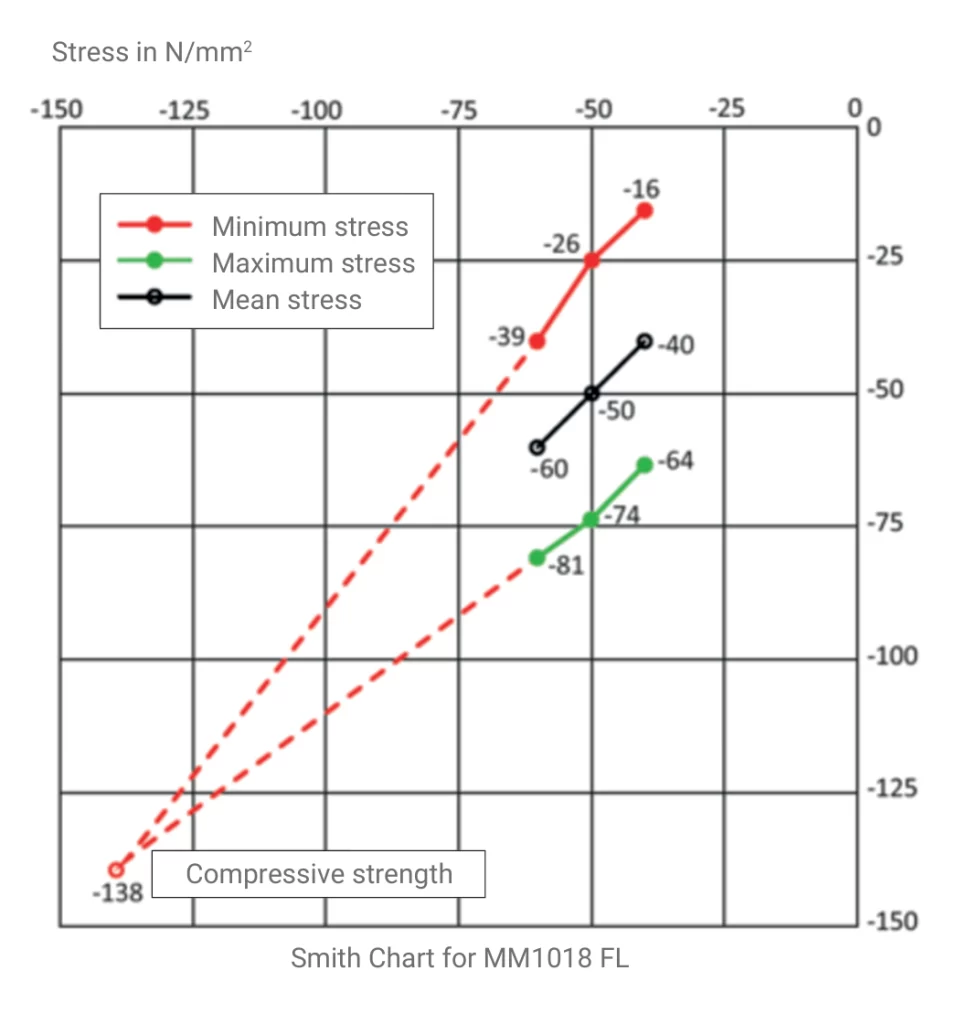
Fatigue is the primary design case for rotating equipment. MM1018 FL has been fatigue-tested to 10 million load cycles and has passed. Testing was carried out independently by ibac at RWTH Aachen (test M1999) at mean stresses of 40, 50, and 60 N/mm²; all three test series completed the full 10 million cycles with no loss of structural integrity. For context, EN 1993-1-9 sets the constant-amplitude fatigue limit for structural steel at 5 million cycles.
On current review of published manufacturer datasheets in the Australian market, KES has not identified any cementitious grout with an equivalent published third-party fatigue certification.
MM1018 FL holds German general building authority approval (abZ Z-3.82-2042) from DIBt. It achieves a compressive strength of 161 N/mm² under DIN EN 12190:1998.
| Property | Value |
|---|---|
| Fatigue strength | 10,000,000 load cycles at mean stresses of 40, 50, and 60 N/mm² (ibac RWTH Aachen, test M1999). No loss of structural integrity recorded. |
| Compressive strength (fully cured) |
161 N/mm² (DIN EN 12190:1998) |
| Curing time to full load capacity | 97% or more of design strength at 24 hours (+21°C); full design strength at 7 days. Service load not to be applied before strength is verified. |
| Curing at other temperatures | Min. curing temperature +5°C; accelerated curing permitted to a maximum of 50°C. Strength development varies with temperature. Refer to DIAMANT TDS #1866 V1.1 for values by temperature and age. |
| Maximum layer thickness (manufacturer-tested) |
Up to 140 mm |
| Maximum layer thickness (abZ-approved) |
Up to 10 mm per layer |
| Service temperature (per abZ) |
-20°C to +50°C |
| Shrinkage | 0.035% (DIN EN 12617-4:2002) |
| Key accessories | MM1018 Seal (perimeter sealing), injection/ventilation packers, DIAMANT cleaner, screw protection where applicable |
| Viscosity | 16,900 mPas (DIN EN ISO 3219:1994) |
Equipment foundations in Australia are designed under AS 3600 for the concrete foundation and AS 4100 for the steel baseplate and its bearing on the concrete, with API 686 as the commonly referenced international practice for machinery installation and grouting.
The compressive strength, fatigue, and creep data above are DIAMANT’s own independent test evidence; KES can map this data against project-specific clauses on request.
Grevenbroich, Germany
Gap compensation on structural and equipment steel connections at one of Europe's major lignite power stations.
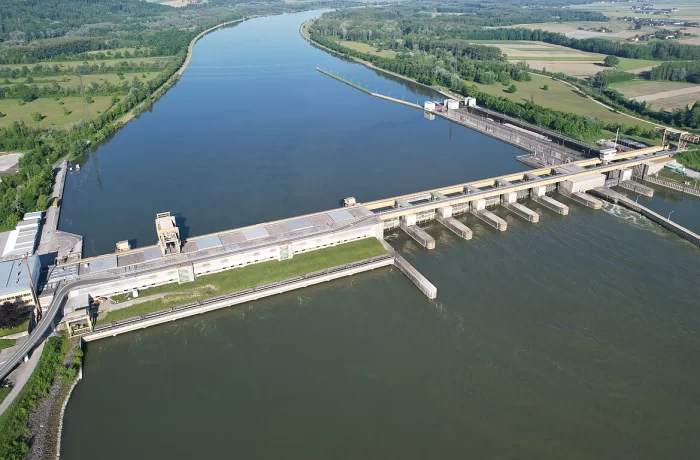
Wallsee, Austria
Bearing replacement at a Danube hydropower plant; gaps at both pressure and spherical bearings filled with MM1018 FL, achieving form-fit and force-fit gap compensation.
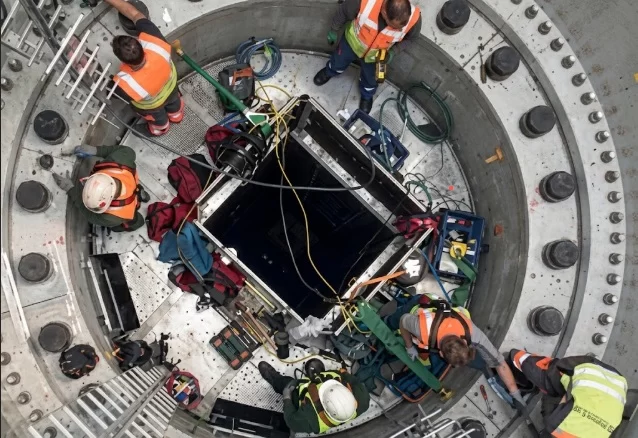
Saxony-Anhalt, Germany
Machine and structural connection interfaces addressed as part of a major German wind energy installation.
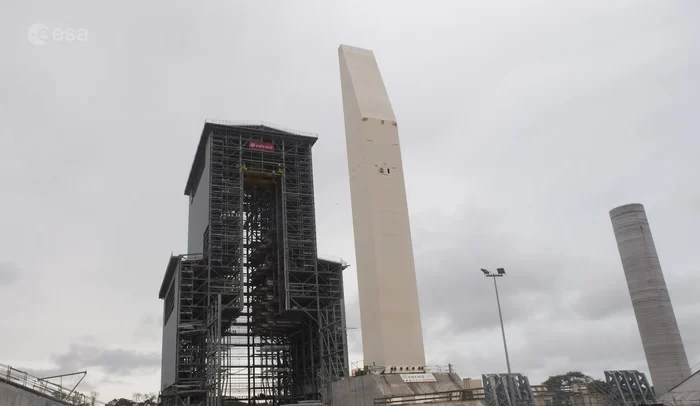
Guiana Space Centre, French Guiana
Precision gap compensation on structural steel connections at a critical aerospace launch facility.
For a full technical overview of liquid shim technology and applications,
visit the Liquid Shim in Australia Resource Centre.


Kubri Engineered Solutions is Australia’s dedicated technical authority for liquid shim technology and the Australian partner for DIAMANT Polymer GmbH, manufacturer of MM1018 The Liquid-Shim®.
KES supports every specification with a complete engineering support package:
Design Support:
Engineering review of the equipment foundation interface during the design phase, before baseplates are fabricated.
Installation Methodology:
Project-specific method statements, ITP hold points aligned with API 686 practice, and on-site attendance for first-of-type equipment installations.
Interface Control:
Product selection across the MM1018 family (FL, P, Smart S, Seal) matched to gap geometry, access, and project constraints.
Documentation:
Material certification, batch traceability, abZ approval documentation, and installation records formatted for ITP, handover, and the reliability engineering asset register.
Founded by Loai Shokry, a Chartered Professional Engineer (CPEng) with a career spanning the design and delivery of multi-billion-dollar infrastructure projects in Australia and worldwide, Kubri Engineered Solutions operates as a specification and engineering partner across the full project lifecycle, from design review to handover documentation.
Final product selection and specification remain subject to engineer-of-record approval for your project.
Yes. MM1018 FL can be poured or injected into the sealed gap after the failed grout is removed and the surface is prepared, without requiring demolition and re-pour of the concrete foundation itself.
MM1018’s abZ-approved service temperature range is -20°C to +50°C. The cured material’s general temperature resistance extends to 160°C. Where equipment generates significant sustained operating heat beyond the abZ-approved range, exposure should be confirmed with a KES engineer.